
The combination of diabetes and hypertension, two of the most common non-communicable diseases (NCDs) globally, can be far more dangerous than either condition alone. According to Dr. Joozer Rangwala, consultant physician and diabetologist at Narayana Health, Ahmedabad, the coexistence of these conditions increases the risk of serious, often silent complications affecting the heart, kidneys, eyes, and nerves.
“Often referred to as silent killers, hypertension and diabetes become significantly more dangerous when they coexist,” Dr. Rangwala told HT Lifestyle. “They place immense strain on vital organs, and in many cases, the damage progresses quietly until it becomes severe.”
Dr. Rangwala explained that the combined impact of high blood sugar and high blood pressure can lead to:
Cardiovascular disease: Heart attacks, strokes, and heart failure.
Kidney damage: Progression to chronic kidney disease, often requiring dialysis.
Eye complications: Retinopathy that may result in vision impairment or blindness.
Nerve damage (neuropathy): Tingling, numbness, and even risk of foot ulcers and amputation.
Blood vessel damage: Stiffening and narrowing of arteries, increasing risk of atherosclerosis.
Increased risk of premature death: Due to cumulative strain on multiple organs.
“The biggest danger is that both conditions often show no symptoms in the early stages,” warned Dr. Rangwala. “By the time noticeable symptoms appear, damage may already be underway.”
Frequent thirst and urination
Constant hunger despite eating
Unexplained weight loss
Fatigue and blurry vision
Slow-healing wounds or infections
Tingling in hands or feet (neuropathy)
Dark skin patches (especially on neck or armpits)
Frequent or early morning headaches
Dizziness or lightheadedness
Nosebleeds (frequent/unexplained)
Blurred vision
Fatigue or confusion
Chest discomfort
Pulsing sensations in neck or ears
Dr. Rangwala recommends adopting the following lifestyle habits for effective management:
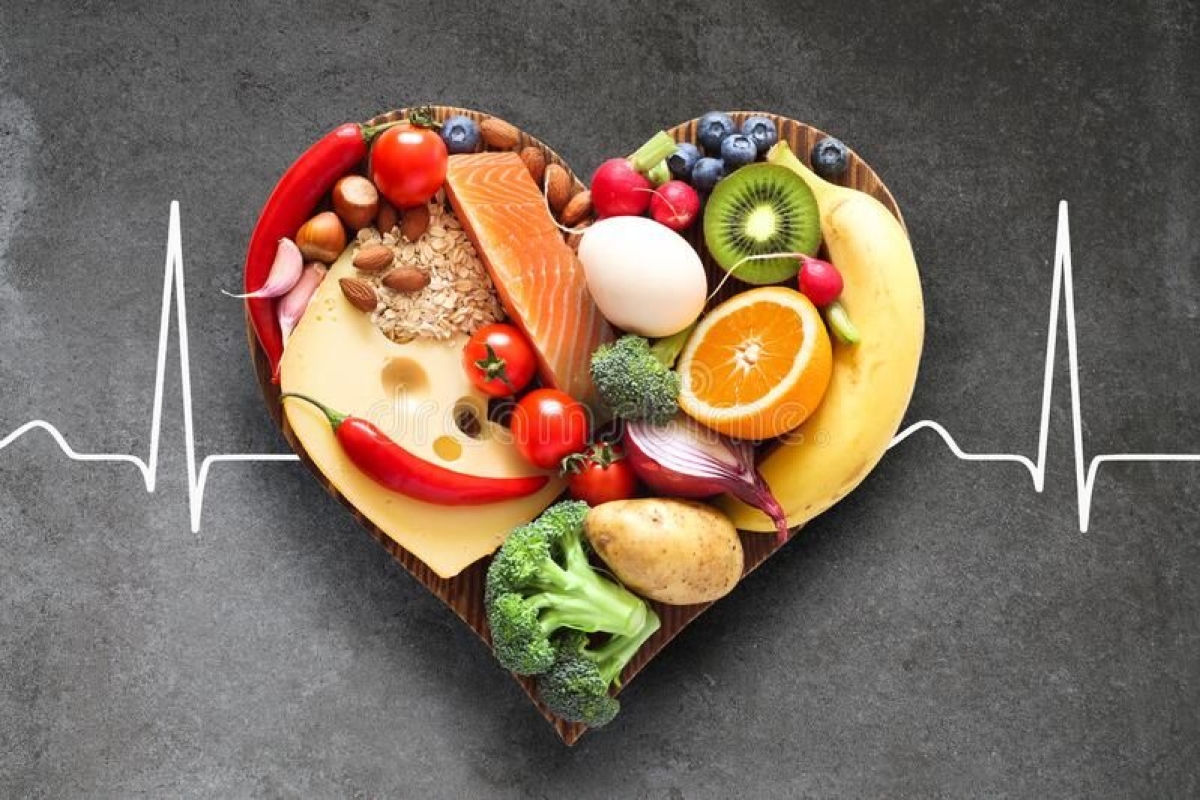
Balanced Diet: Focus on whole grains, fruits, vegetables, lean proteins, and low-fat dairy. Follow the DASH diet to reduce sodium and bad fats.
Regular Exercise: At least 150 minutes of moderate activity or 75 minutes of intense activity per week, plus strength training twice weekly.
Maintain Healthy Weight: Even modest weight loss can significantly improve both blood pressure and blood sugar levels.
Limit Alcohol Intake: Reduce or avoid alcohol to stabilize both conditions.
Quit Smoking and Tobacco: All forms of tobacco raise the risk of heart attacks and strokes.
Manage Stress: Practice yoga, meditation, breathing exercises, or outdoor activities to reduce stress.
Prioritize Sleep: Ensure 7–8 hours of quality sleep each night to support overall health and metabolic balance.
With younger individuals increasingly being diagnosed with both hypertension and Type 2 diabetes, early screening, lifestyle changes, and regular check-ups are more important than ever. Dr. Rangwala emphasized the need for greater awareness and proactive health monitoring.
“Catch it early. Manage it consistently. That’s the key to reducing risk and improving quality of life.”