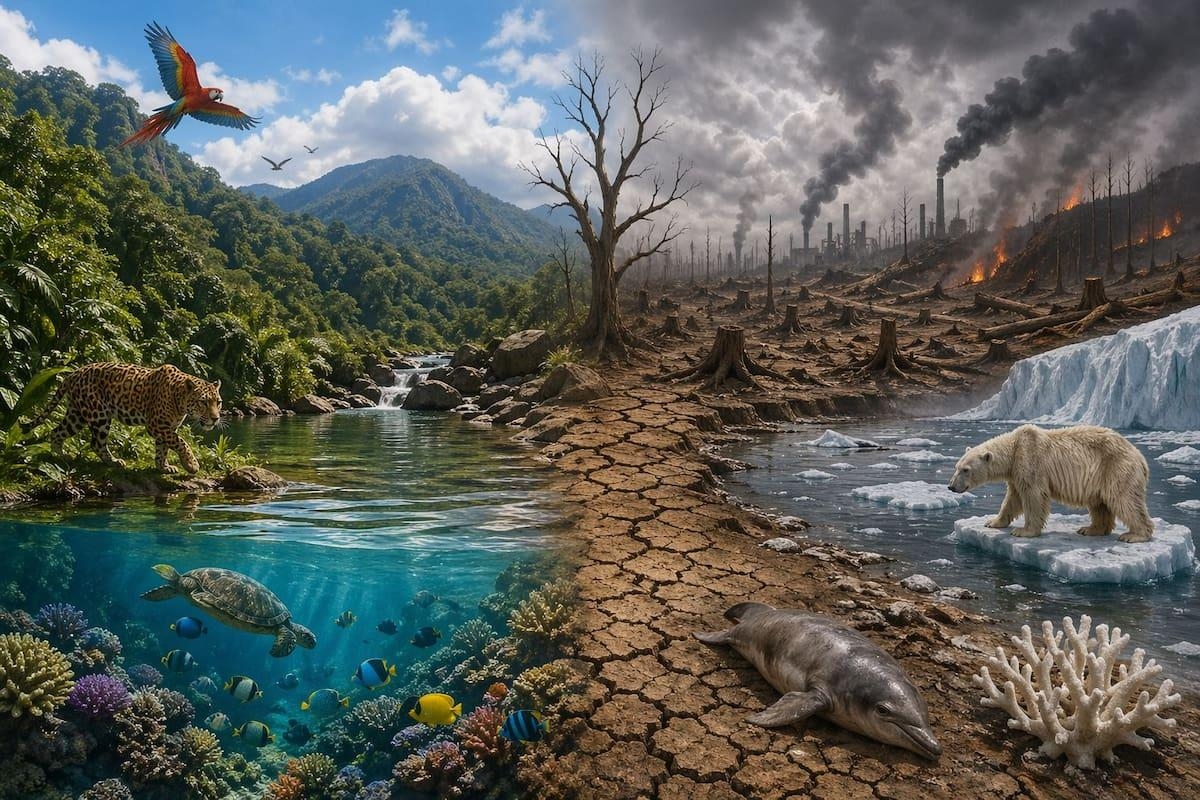
The inherent respect and tolerance that people in India foster for wildlife is at the heart of many a conservation story. Wildlife is worshipped by numerous tribes and is a part of several cultures, mythologies and folklore. In rural areas fraught with frequent human-wildlife interaction that sometimes leads to conflict, it is almost discordant how this acceptance manifests even in the face of loss and misfortune, save a very few cases of retaliation. However, in places where humans aren’t at the receiving end of such conflict, conservation efforts can focus immediately on land-use change, critical habitat protection, ensuing in the protection of breeding populations of local wildlife.
A community-led conservation model with the goal of saving this bird from the brink of extinction, our GIB program engages with local communities and local NGOs, and actively collaborates with the Rajasthan Forest Department, Government of Rajasthan; Ministry of Environment, Forest and Climate Change; and Wildlife Institute of India; and other government agencies including Animal Husbandry, Agriculture and Rural Development departments, all made possible with the generous support of Rural India Supporting Trust.
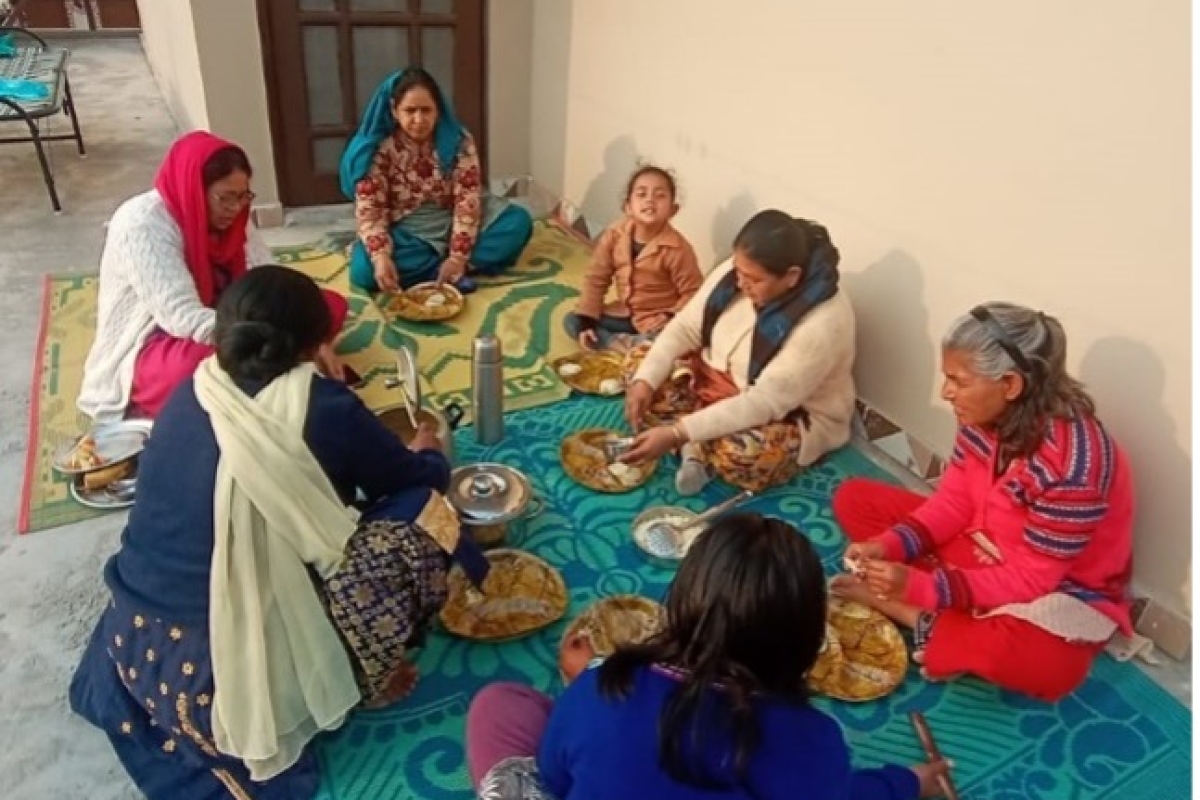
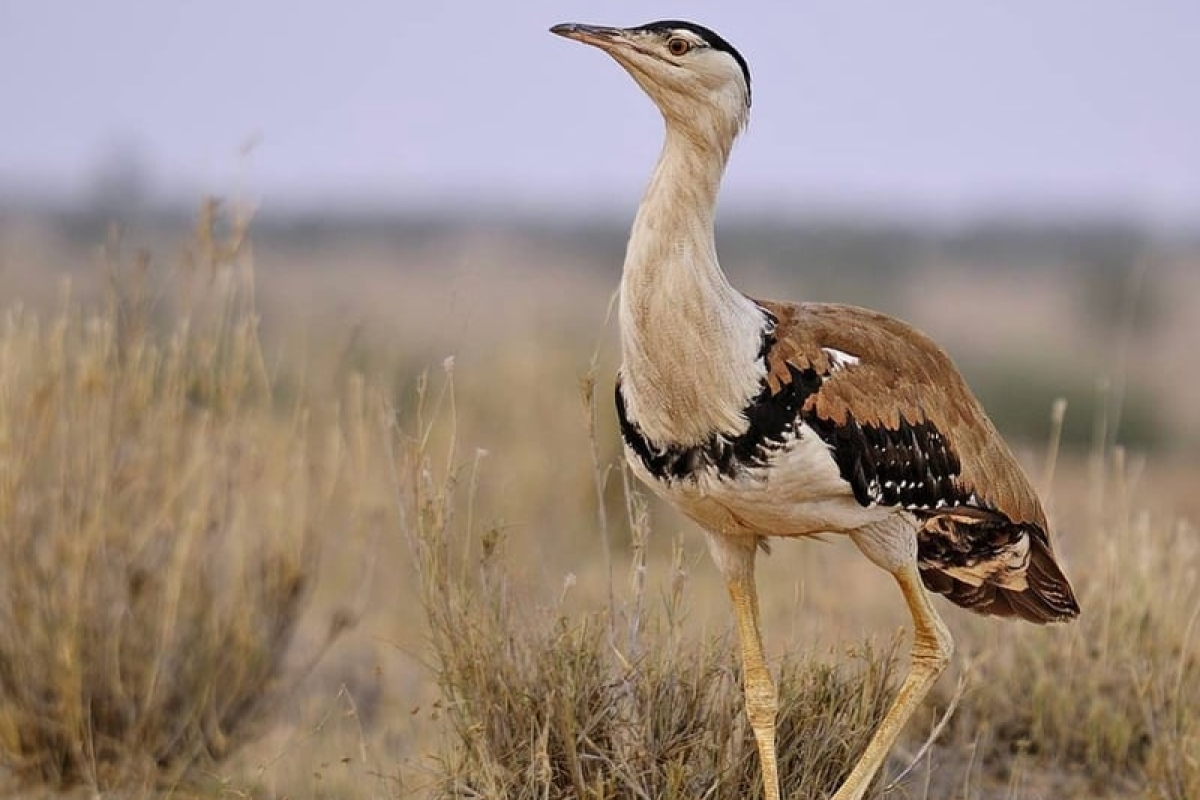
Today, in the entire country, the Desert National Park in Jaisalmer and Pokhran restricted area are the two principal breeding populations of the GIB remaining in the wild where fewer than 100 individuals are known to exist. One of the main goals of our conservation strategy in protecting critical GIB habitats in these landscapes is supporting community leaders in local villages who will steer the conservation attempts with the support of our various stakeholders. We interact with the local communities through our frequent capacity-building workshops; livestock management and fodder development training; supporting school education in villages by donating basic infrastructure such as tables, chairs and floor mats; and regular livestock health camps among other activities.
Our endeavors are coupled with the proactive willingness of local communities, playing a vital role in our sustained success despite these unprecedented times of the COVID-19 pandemic. And there are numerous motivational stories that mirror an all-inclusive approach in saving this avian wonder. The GIB population in the PFFR area moves across large tracts of grassland around the firing range, a restricted area for people’s movements. This poses a challenge to keep track of their presence, behavior and movement patterns. On the other hand, these grasslands enable the herder community to maintain large populations of livestock.