In a significant development, United States President Donald Trump announced that a new trade agreement between the U.S. and India is in the final stages and could be revealed soon. The deal, expected to come with substantially lower tariffs, is being negotiated ahead of a crucial July 9 deadline.
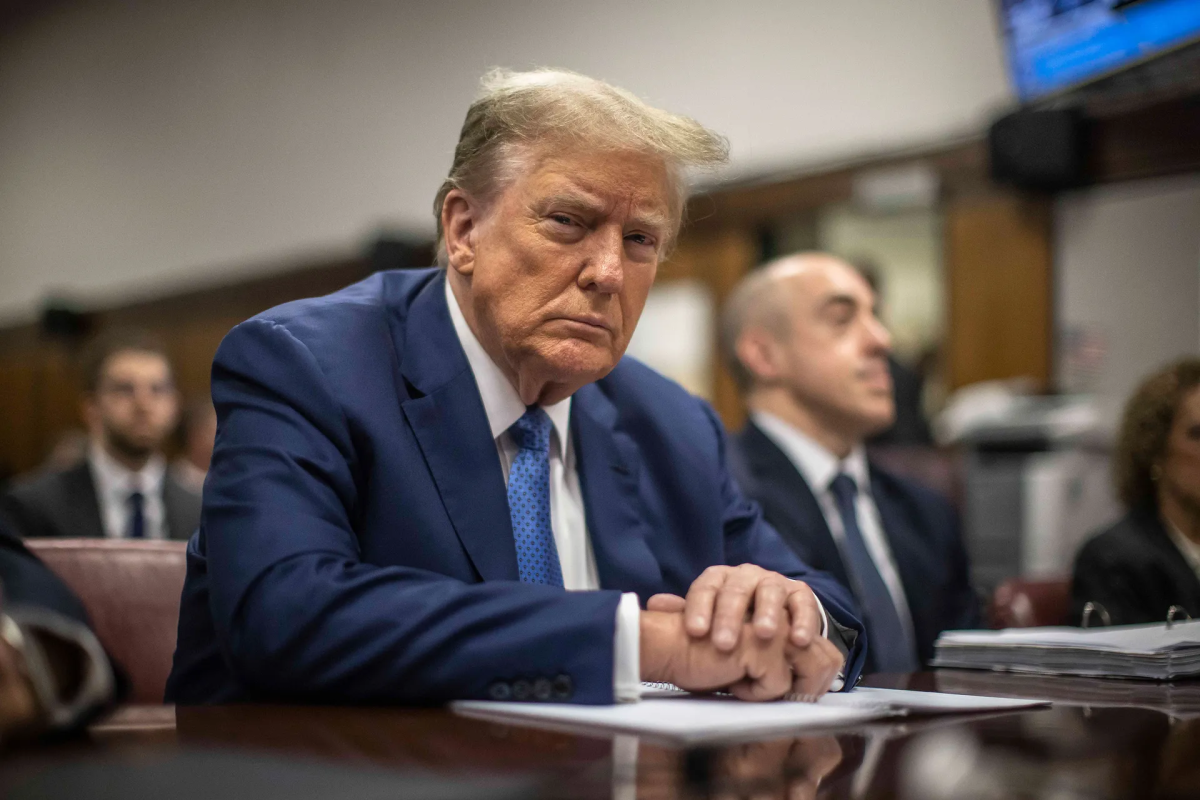
Speaking to the press on July 1 (local time), President Trump emphasized that the upcoming agreement will create a more level playing field for American companies looking to access the Indian market. He pointed out that India has traditionally imposed high import tariffs and created barriers to entry, making it difficult for foreign businesses to compete.
“I think we are going to have a deal with India. And that is going to be a different kind of a deal. It is going to be a deal where we are able to go in and compete. Right now, India does not accept anybody in. I think India is going to do that, and if they do that, we are going to have a deal for much less tariffs,” Trump said, according to a report by ANI.
The statement underscores Washington’s intent to reshape trade dynamics with New Delhi, ensuring more equitable access to one of the world’s fastest-growing markets. While the exact terms of the agreement have not been publicly disclosed, sources suggest it could include tariff cuts on a wide range of goods and services, expanded market access, and measures to protect intellectual property.
This move is part of a broader U.S. strategy to strengthen economic and strategic ties with India amidst ongoing shifts in global trade alignments. The Biden administration had earlier revived stalled trade talks, and the Trump-led campaign has now accelerated them under a new vision.
If finalized, the deal could help both nations reach their shared goal of expanding bilateral trade to $500 billion by 2030, up from around $190 billion currently. It would also serve as a counterweight to China’s growing economic influence in the Indo-Pacific region.
The trade talks are being closely monitored by global markets, multinational companies, and policymakers, as the agreement could have far-reaching implications for global supply chains, technology transfer, and regulatory standards.